Kaiyi Jiang
Essay
Building a cell engineering toolbox
Biological diversity and deep learning are harnessed for discovery
MOLECULAR MEDICINE
Every cell in the human body carries the same genome, yet a neuron looks and behaves nothing like an immune cell. The difference lies in the state of these cells: which genes are turned on, which proteins are made, and how the cell responds to its surroundings. Decades of research have substantially expanded our understanding of the diversity of cell states through destructive end-point methods such as sequencing. However, if we could noninvasively read a cell’s state and write it to a desired state, we would unlock a fundamentally new class of molecular medicine. My doctoral work set out to build the molecular tools to make this vision possible. I created a programmable cell engineering toolbox by combining the discovery of new biological systems with artificial intelligence (AI)–driven molecular engineering.
Biography
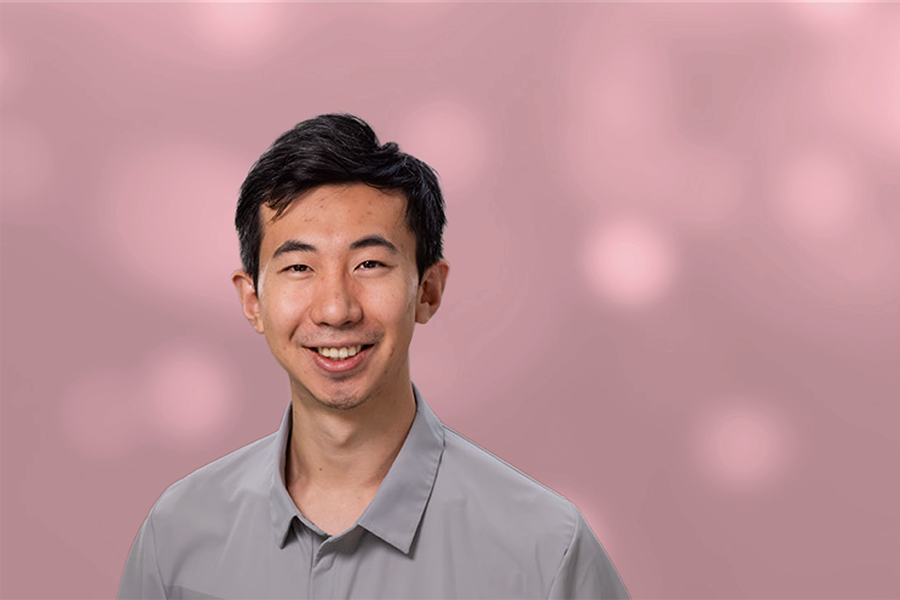
Kaiyi Jiang received an undergraduate degree from Rice University and a PhD from the Massachusetts Institute of Technology. After completing his independent fellowship at Amgen, Kaiyi started his laboratory in the Omenn-Darling Bioengineering Institute at Princeton University in 2026. His research focuses on developing technologies to better measure biological systems and training generative artificial intelligence models with these data to better design molecular therapeutics.